Natural vs. Synthetic: It’s Not a Competition
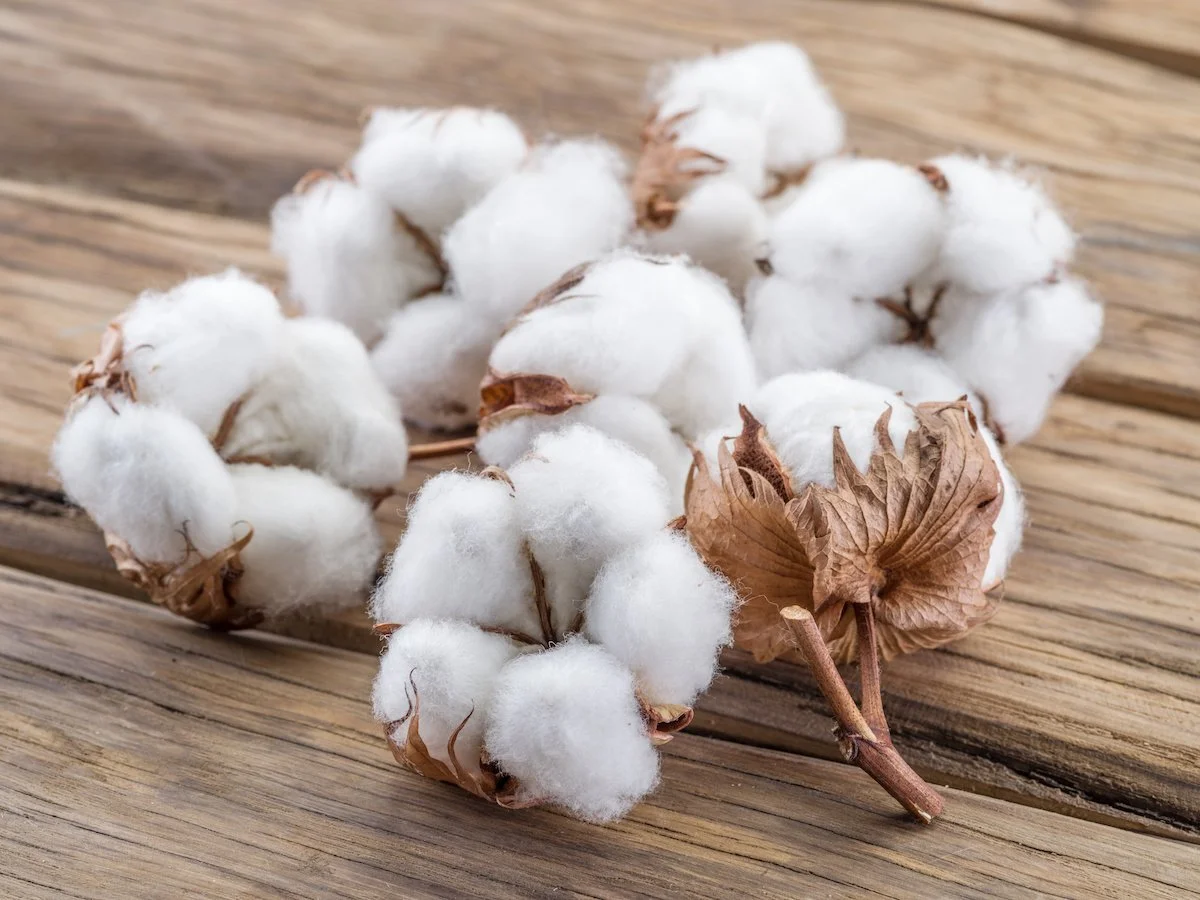
Cotton
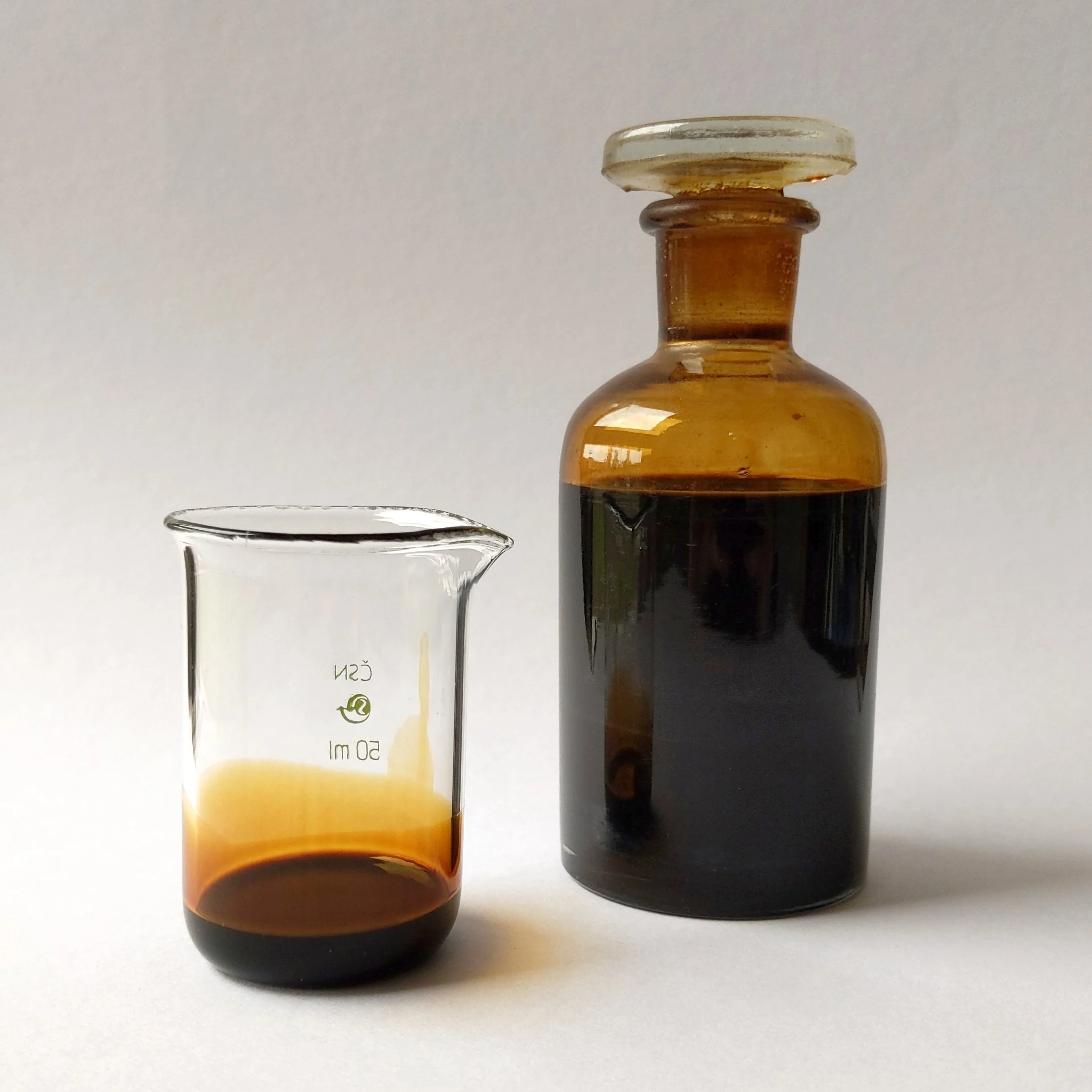
Petroleum (what polyester is made of)
The debate of function over form (or vice versa) is one where many will give their takes on why they prefer one over the other. However, a gray area does exist—one where both are equal and can be optimized. But this only comes when you favor one thing, and one thing only: natural fibers.
Synthetic fibers (mainly polyester) are, in my opinion, a ploy by companies and brands in order to market something that the material doesn’t do, while keeping costs outrageously low. In fact, not only is it a marketing scheme, it’s inherently toxic for both you and the world. Many perceive synthetic clothing as a gift from God himself because of its properties of stretching and “breathability” (which, mind you, isn’t even true). I would tell you two things: 1. don’t be a child, wearing only comfortable clothing, and 2: get your real research.
Before we start, let’s just set the bar straight: what are natural and synthetic fibers? Natural fibers is exactly as the name implies—fibers naturally produced by the Earth in some shape or form. Things like cotton, wool, linen, and (for all you hippies) hemp, all fall under this category. I’ll go into why this is inherently better than producing materials later, but simply from an environmental framework, it’s margins ahead. Synthetics are man-made materials that are used by the textile industry including (most notably) polyester, nylon, acrylic, elastane, etc.
1. What’s better at keeping you warm?
As obvious as it is, discussing the basic properties of natural and synthetic materials is necessary to differentiate one over the other. In terms of insulation, it is, without a doubt, a clear win for natural fibers. Especially compared to wool fibers, polyester just doesn’t provide the same type of warmth because wool is a terrible conductor of heat—this is a good thing. This means that it will absorb body heat at a marginally slower rate than synthetics. Typically, the higher grade wool you go (like merino and cashmere), the better that material is at keeping you warm. However, the difference is marginal and, unless you live in the Arctic…or Bakersfield, you will not need to spend an extra $200 for a merino wool sweater (compared to your more common lambswool sweater). In fact, a cotton sweater will probably do you just fine.
Most often, you’ll see synthetics placed into knits (most common being acrylic or polyester). These are usually added for two reasons: cost and appearance. On the first point, it’s obvious that polyester fibers are far cheaper than merino—it’s easier to produce and process compared to the labor intensive process of harvesting wool from animals. Secondly, acrylic can make a sweater look “good” by adding structure and form, but after a bit of washing and wearing, it goes downhill very quickly. Unfortunately, synthetics don’t hold up great in a washing/drying machine because they are much easier to melt or warp. Moreover, after it deforms, its minimal insulation capabilities diminish even more.
2. On the issue of form…
There exists even more specific properties of each fiber that lends itself to having (dis)advantages. One more to consider is water absorbency. Natural fibers generally are able to absorb 30% of its weight in moisture without feeling wet—it can help absorb sweat from the skin and release it into the air, helping you to feel dry and comfortable. On top of that, they are naturally anti-bacterial, meaning that much of the odors are dissipated as well and help to keep the garment cleaner for a longer period of time. Wool specifically is also somewhat water repellent, so it holds up surprisingly well in wet conditions.
Synthetics are hydrophobic (as they’re derived from petroleum). They repel water and trap sweat/odors to your body—this is most often why you see them used in athletic wear. Both the clothes and the wearer end up with a worse odor than a natural fiber would normally allow for. Similarly, synthetics, when stretched, abused, and agitated, struggle to return to its normal shape versus naturals which have natural elasticity that contour your body. If design is a critical part of a brand’s element, that natural fibers help give garments drape and flow over the body, making it ultimately more preferable.
3. Doing the Environment Justice
I do think it’s important to note that, regardless of the textile material, the fashion industry is immensely wasteful in all that it does. The world continues to warm as global emissions of CO2 have increased to an annual 37 billion tons as of 2022 (Ritche and Roser). What was once a mere threat of lack of global water resources has now become the reality. A study estimated that 359.4 billion cubic meters of sewage is being produced worldwide (Bierkens, Jones, Qadir, Vliet), prohibiting millions from accessing fresh water. Fashion’s role in these environmental crises is pivotal: the European Parliament found fashion to be responsible for “10% of global carbon emissions – more than international flights and maritime shipping combined” and 20% of all existing sewage (Turk).
The industry’s impact does not stop with just emissions or sewage–it extends to every corner of land. Out of the 100 billion garments produced annually, 92 million tons end up in landfills (Igini). In addition to the waste, garment manufacturing causes over 200 million trees to be cut down annually to be used for textiles. This kind of extreme global deforestation leads to weather patterns being altered, mass soil degradation, loss of food security, and an overall unvirtuous attack on the environment (Igini). The volume of microplastics the industry spits into the ocean is also staggering. Of course, polyester lays a significant role in all of this. The UN Environment Program found discarded plastic clothing to have released 1.4 quintillion plastic microfibers, or almost 3 billion polyester shirts. This leads to mass coral death and aquatic environmental degradation as plastics prohibit growth and reproduction of marine plants and animals (Rahman).
4. The Verdict
If my stance hasn’t been made clear by now, than you haven’t been reading. One could call it bias, but I think it’s just the more obvious choice. Whether your a gorp-core kind of guy who really wants utility out of your clothing, or love exploring the silhouettes, or maybe you’re just an eco-warrior; regardless, I truly advocate for the usage of natural fibers. If not anything else, there is something immensely gratifying of sustainably using what has been already provided.